
(02) 9192 1600


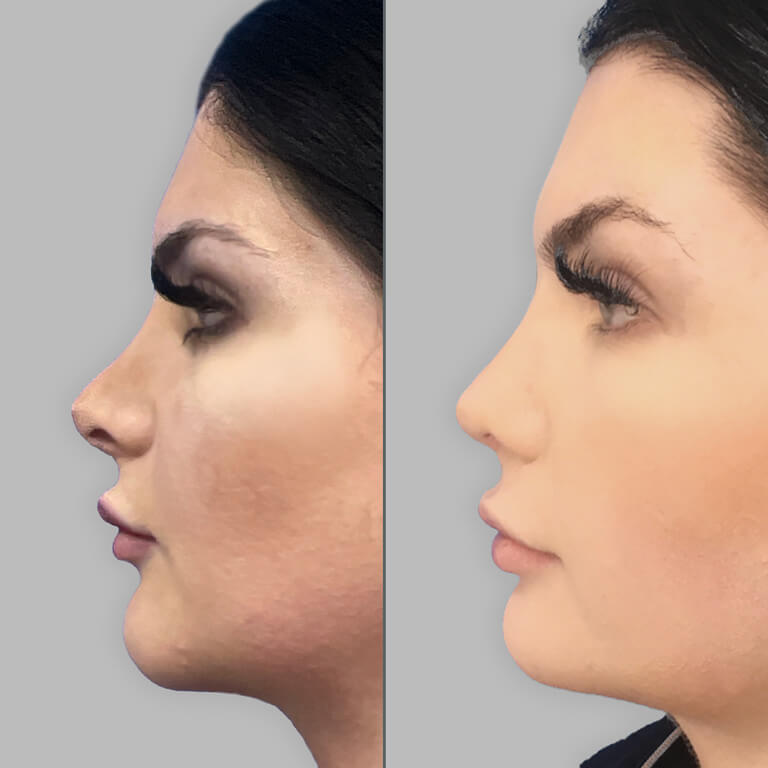


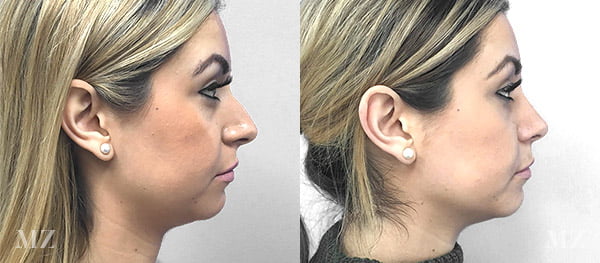

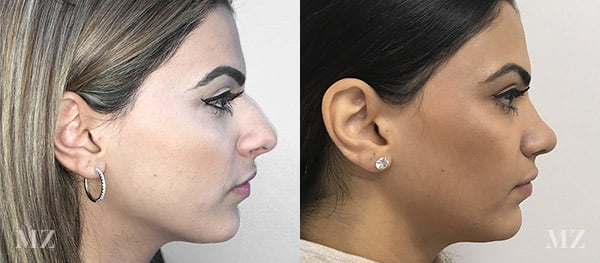

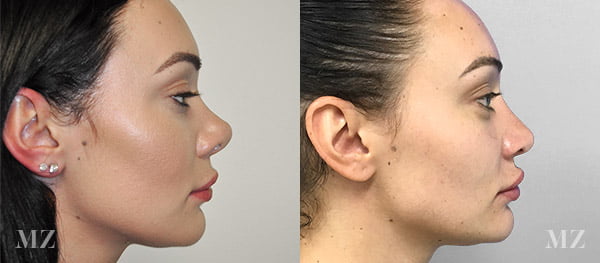
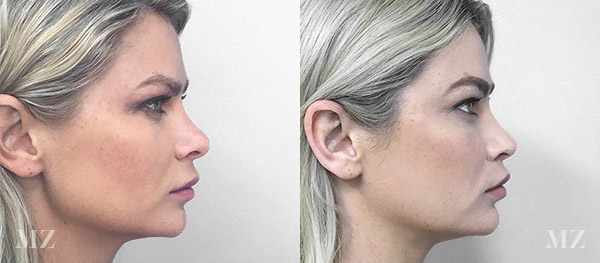

A suitable candidate for Rhinoplasty surgery is someone who is in good physical and mental health. Smokers are encouraged to quit at least 2 weeks before the procedure and it is also recommended to not drink alcohol before and after surgery. This promotes proper healing and aids in avoiding complications during the procedure.
Any adult male or female can apply for nose surgery, however, with younger patients, this surgery can only be performed if the skeleton of the face is over 90% developed. With younger girls, this is around 13-to-14 years of age, while boys will be considered at around 15-to-16 years of age.
Dr Zacharia will explain what can be done to assist eligible candidates for this procedure. He will discuss the steps of the proposed surgery and the variables that may affect the procedure. Physical characteristics such as the size and shape of nasal bones and cartilage, as well as the thickness of skin, may affect the technical considerations.
At the consultation, Dr Zacharia will discuss the procedure, risks and limitations, costs involved, patient expectations and goals, as well as the recovery process. He will also conduct a medical examination and help the patient prepare both physically and mentally for Rhinoplasty. Dr Zacharia will then provide a checklist surgery information packet that explains everything a patient should do and know before their Rhinoplasty surgery date.
In most nasal surgeries, general anaesthesia is used. However, in some cases, local anaesthesia with intravenous sedation may be used. Dr Zacharia and his anaesthetist will assist patients in making the decision regarding which type of anaesthesia is best for their individual procedure.
All patients will have an external splint in place for 10-14 days and some will require internal splints if the septum has been operated on. Bruising and swelling are expected but are usually minimal with Dr Zacharia’s techniques, usually aided by Vitamin C IV infusion administered post-operation.
We will provide you with an information document showing exclusion periods for certain activities after your surgery.
No surgery is risk free. As with all procedures, there are number of risks and complications. Understanding the risks is imperative and Dr. Michael Zacharia discusses these openly with prospective patients in the initial consultation. The chance that any of these complications may occur during the surgery or recovery is usually very small. The following is a list the most common risks that may occur, such as bleeding, infection, scarring, small burst blood vessels, etc. 5-10% of Dr. Zacharia’s patients will require a minor touch-up procedure to further refine the nose. Dr. Zacharia does not usually charge for minor touch-up procedures, however there is always the hospital anaesthetic to consider. During the initial consultation, Dr. Zacharia will answer any questions and make sure the patient fully understands all possible complications involved with the surgery.
The nose undergoes significant changes in the first two weeks following Rhinoplasty surgery. The swelling gradually dissipates over the first several months and thus the appearance of the nose changes gradually. When the cast is removed after one week, the nose will look swollen. Usually by the end of the second week, the swelling and bruising have subsided enough visible signs of the operation are unnoticeable. To the patient, the nose will look swollen or “puffy” for several months. By about three to four months, the majority of the swelling will be gone, but will look larger in photographs. Bruising around the eye may be present for several weeks.
At least one week away from work or school is recommended to all patients. The plastic splint on the patient’s nose will be removed after ten days or more, leaving the patient free of this obvious stigma of surgery. Mild bruising may persist under the patient’s eyes, so the patient may feel safer to take two weeks off work or school if necessary.
It can take between 12 to 18 months for the final shape to become apparent after your rhinoplasty procedure.
Substantial Hemorrhage: This involves severe blood loss from the area that underwent surgery, which may necessitate additional medical interventions.
Susceptibility to Infection: Post-surgery, the risk of infection can rise, potentially requiring either antibiotic treatment or subsequent surgical interventions.
Allergic Responses: Patients may exhibit allergic reactions to medical materials such as sutures, dressings, or antiseptic solutions used during and after the procedure.
Hematoma Formation: This involves the development of a sizable clot of blood beneath the incision site, which may necessitate medical drainage.
Post-Surgical Discomfort: Patients may experience pain, bruising, and swelling in the area surrounding the surgical site.
Scar Development: There’s a risk of developing keloids or hypertrophic scars, which are elevated, red, and thickened scars over the healed incisions. Though they can be bothersome and aesthetically displeasing, they don’t pose a direct health threat.
Delayed Healing Process: Healing can be sluggish, especially in patients with pre-existing conditions like diabetes or those who smoke.
Anaesthesia Risks: Patients may experience short-term nausea following general anaesthesia, along with other potential risks associated with anaesthesia.
Post-Surgical Pain: Nose surgeries can lead to severe and persistent pain that requires pain management.
Altered Sensations: After the subsidence of bruising and swelling, the nose may exhibit numbness or a changed sense of touch.
Temporary Numbness in Teeth: Following the surgery, the upper front teeth may experience temporary numbness.
Unfulfilling Cosmetic Outcome: There’s a chance that the visual outcome may not meet expectations, necessitating further corrective surgery.
Impaired Olfactory Function: The sense of smell may be negatively affected, with rare instances of permanent loss or distortion.
Long-term Swelling: The nose may remain noticeably swollen for several months post-operation.
Darkened Under-eye Skin: The skin beneath the eyes may darken, persisting for more than six months after the procedure.
Structural Instability: The support structure of the nose may weaken, leading to a flattened appearance of the nose. This could also result in complications with any implanted materials, possibly causing them to protrude into the nose or through the skin, and potential narrowing of major airways that may result in difficulty breathing.